How To Thrive In Chaos (The System Builder’s Guide For Busy Lives)
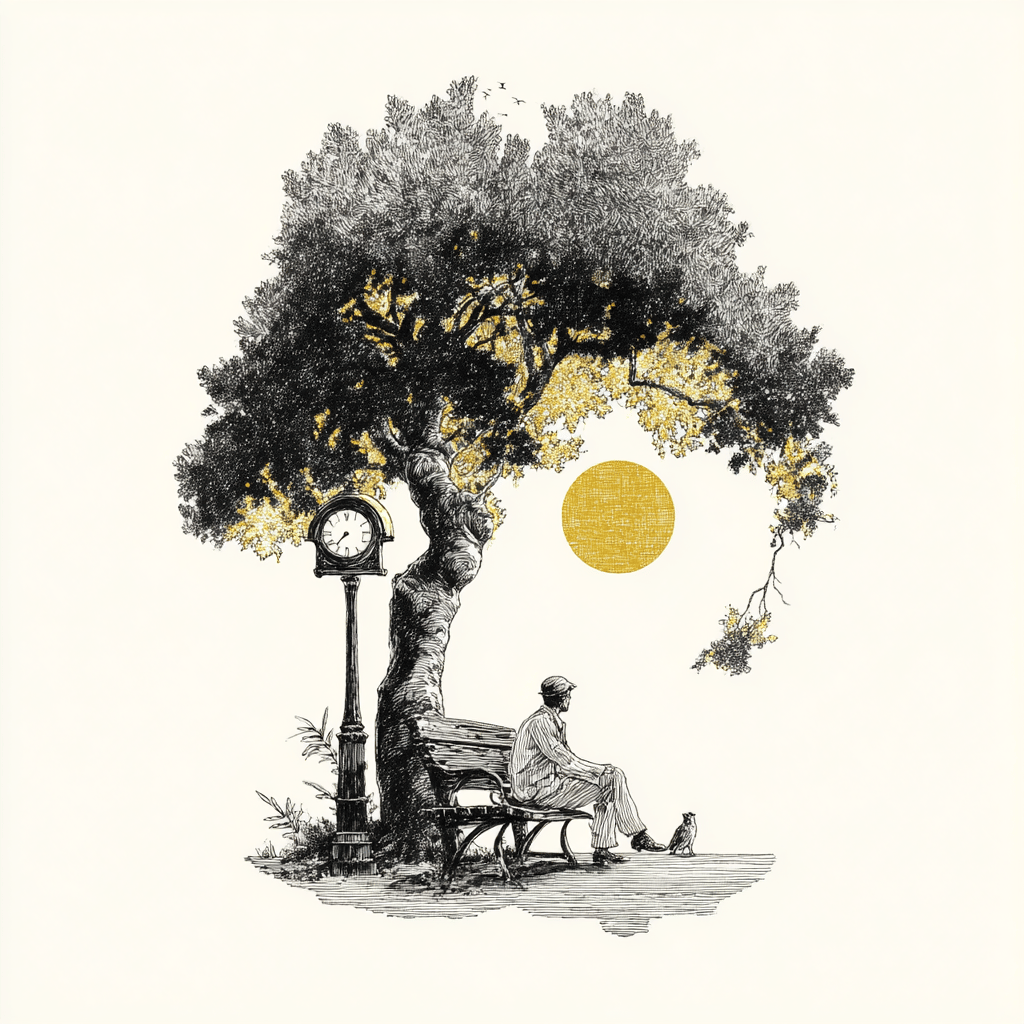
A field manual for humans pretending to be systems.
I was once told there are myths we live by.
Progress. Efficiency. Perfection. Satisfaction. Innovation.
The PEPSI myths.
They sound noble — the cornerstones of moving forward.
But they come with a quiet lie.
The world tells us to be productive.
And once we are, once we’ve “freed up time,” we fill it again.
More to-dos.
More things to fix.
More ways to prove we’re doing it right.
Some people will hate me for saying this,
but living in a constant state of optimization is its own kind of trap.
Efficiency can become a cage.
Perfection, a prison.
The obsession with “better” often hides an allergy to being.
Because if you can’t stand inefficiency,
if you sneer at the unoptimized,
what you really hate is the part of yourself that rests.
The part that lingers.
The one that walks in the park for no reason at all.
Think Walt Whitman in the grass.
Aristotle in conversation.
Those moments weren’t productive.
They were alive.
Intentional Survival
What if I told you intentional survival was the real curriculum?
Some mornings I wake up to my son clicking his tongue.
There’s a diaper to change, bottles to prep, dishes in the sink.
And my heart’s already racing because I slept through my alarm.
We pivot — as parents, as partners — not because we want to,
but because we have to.
And in that scramble, something shifts.
You realize discipline isn’t about rigid routines or perfect systems.
It’s about adaptation.
Presence.
Love under pressure.
The Gift of Being Busy
For a long time, I thought I could do it all.
Twenty tasks a day. Checklists that looked like Christmas lights.
And yet I’d end each night feeling behind.
One thing executed beautifully
is better than ten things executed poorly.
That’s not a quote
it’s a warning.
We wear “busy” like a badge,
but busyness is just a story we tell ourselves to feel important.
You can only do five or six meaningful things a day — max.
Everything else is noise.
When you’re forced into scarcity, the fluff disappears.
Parenthood taught me that.
So did running a business.
You start to see what actually matters:
rest, focus, forgiveness.
Turns out, being busy is clarity in disguise.
Systems Are Just Adaptation With a Fancy Name
You think it’s about tracking, planning, scheduling.
But it’s really about responding.
I build automations, workflows, and task maps for clients
but the truth is, systems are only as human as the person using them.
Sometimes the “system” is reading a bedtime story at 7 p.m.
Sometimes it’s giving yourself permission to nap at noon.
Productivity doesn’t live in the tools.
It lives in how you move through change.
Building in the Middle of the Mess
Stacks shift. Clients pivot. Babies cry.
And you realize: the best workflows aren’t built in isolation.
They’re born in conversations
with friends, with clients, with the voices in your head.
Sometimes, you build a thing and realize months later:
the real value wasn’t the automation; it was the listening.
Speak Human First, Tech Second
Every case study has a heartbeat.
When a workflow saves someone a week of manual work,
that’s not the story.
The story is that they got to be with their kid,
or finally remembered what it feels like to breathe.
Forget specs.
Ask yourself: can your grandma understand your value?
If the answer is yes, you built the right thing.
Navigating Change — Sometimes With Tired Eyes
Fatherhood is an exhaustion I didn’t know I’d crave.
The adrenaline of work doesn’t hit like it used to.
Now, I chase presence, not stimulation.
There’s always a shadow
the older self bristling at responsibility,
the one that misses the all-nighters and the endless ambition.
But these days, I’m learning to carry two candles through the dark:
one for who I was,
and one for who I’m becoming.
We’re not just building workflows.
We’re building new versions of ourselves.
Candles, Not Spotlights
Chaos isn’t something you outgrow.
You learn to make peace with it.
You find allies.
You build the thing, share the story,
and maybe light the way for someone else.
It’s not about automation, or efficiency, or perfection.
It’s about walking, together, in the direction of the light.
The Relief Charge
Every stuck task has two fates:
it gets deleted, or it gets done by someone else.
If you can delete it without consequence, do it.
If you can’t, delegate it.
But don’t just toss tasks around.
Delegation only works when it’s clear:
What: the specific task
When: the time or frequency
Who: the responsible person
Keep it simple. Keep it human.
And above all — keep it off your plate.
The best systems don’t make you superhuman.
They remind you that you already are —
when you slow down enough to notice.
Chat soon,
Harrison